Facility Health Patrol
Detect Issues Before Damage
Temi BlackJack helps building management teams monitor facility health, detect operational risks, and issue early alerts before problems cause damage.
Request a Demo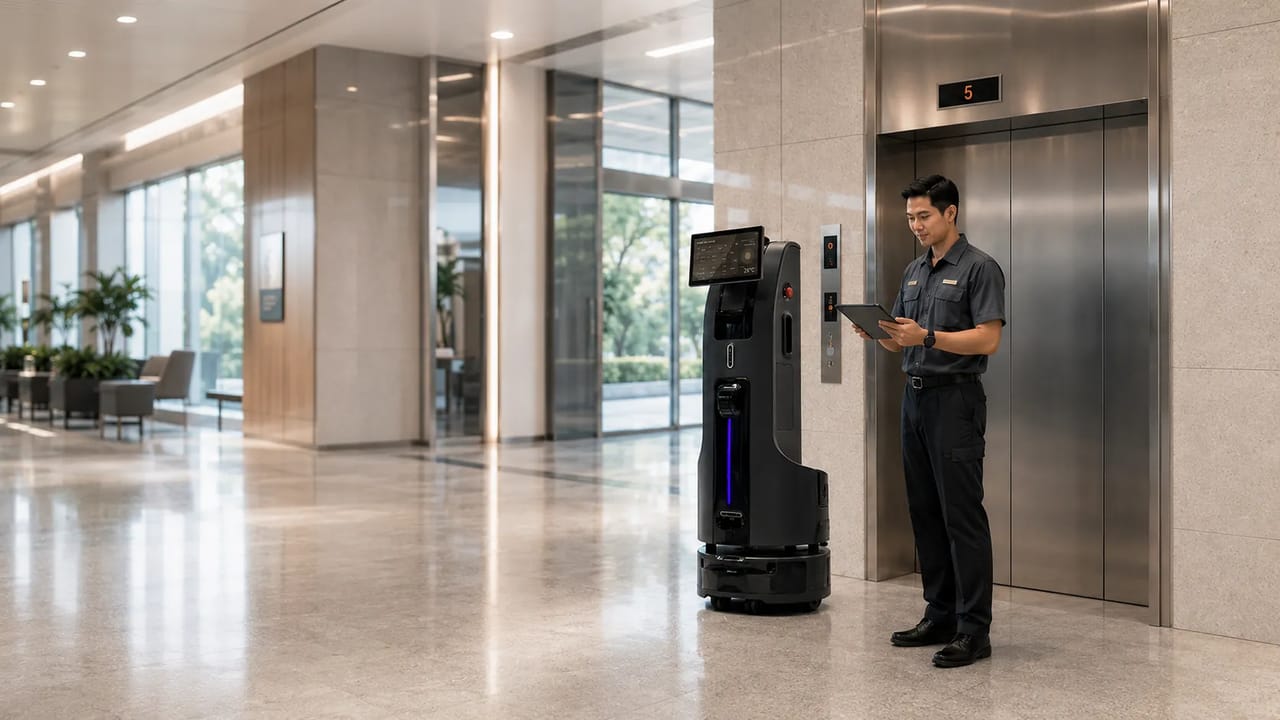
Feature highlights
Key capabilities
- Facility health patrol
- Elevator stability monitoring
- Temperature, humidity, and IAQ detection
- Fire risk and water leak alerts
- Backend notification for facility teams
How it fits the workflow
Detect Issues Before Damage
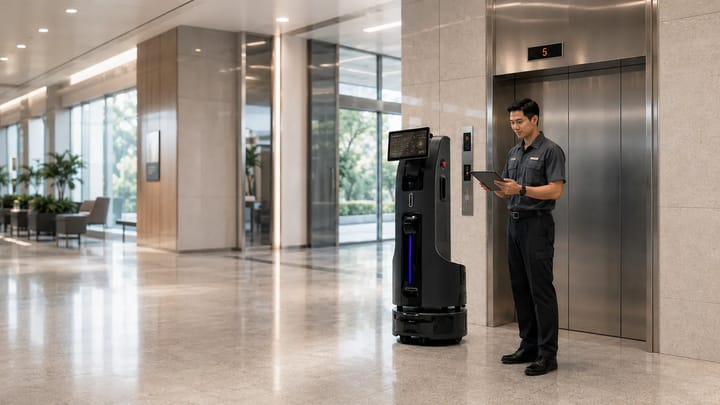
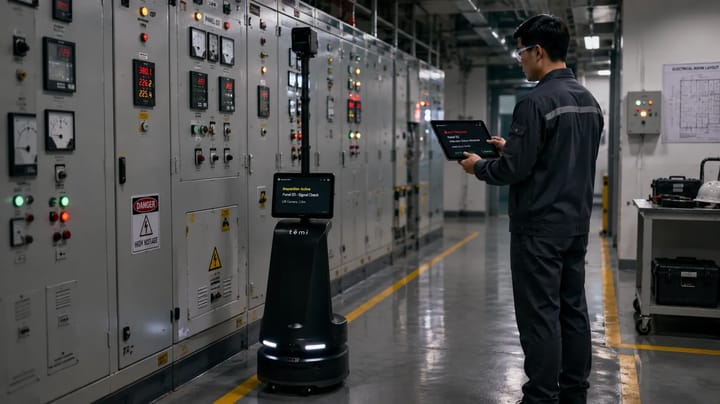
Temi BlackJack supports preventive facility management by patrolling office buildings and monitoring key operational conditions. From elevator stability and IAQ to temperature, humidity, fire risks, and leak hazards, temi BlackJack helps detect potential issues early and notify building teams before they become costly disruptions.
Suggested use cases
Where Facility Health Patrol can be deployed
- Smart building facility patrol
- Elevator lobby monitoring
- Equipment area inspection
- Temperature and humidity monitoring
- IAQ status detection
- Fire risk early warning
- Water leak risk detection
- Building management backend alerts
- Preventive maintenance workflow
- Reducing manual inspection rounds
Why it matters
Detect Issues Before Damage.
Temi BlackJack brings continuous facility health monitoring into smart building operations. As it patrols elevator lobbies, equipment zones, corridors, and shared building areas, it can monitor environmental conditions and equipment performance, including temperature, humidity, IAQ, fire risk indicators, water leak risks, and elevator operation stability. When abnormal conditions are detected, temi BlackJack can send early alerts to the building management backend, allowing facility teams to respond before issues lead to downtime, damage, or operational loss. The result is a calmer, more proactive approach to property maintenance, helping teams protect building performance while reducing the need for manual inspection rounds.