Patient Navigator
Seamless Wayfinding
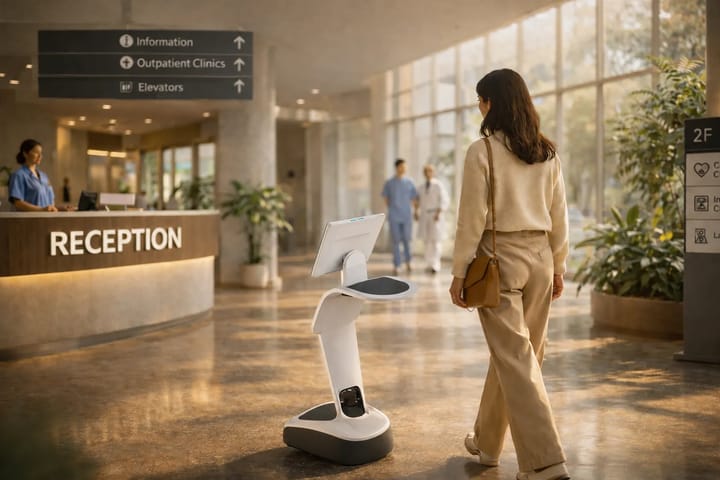
Temi serves as an intelligent patient navigator, guiding patients and visitors from reception to their destinations, improving patient flow, operational efficiency, and overall care experience.
Request a Demo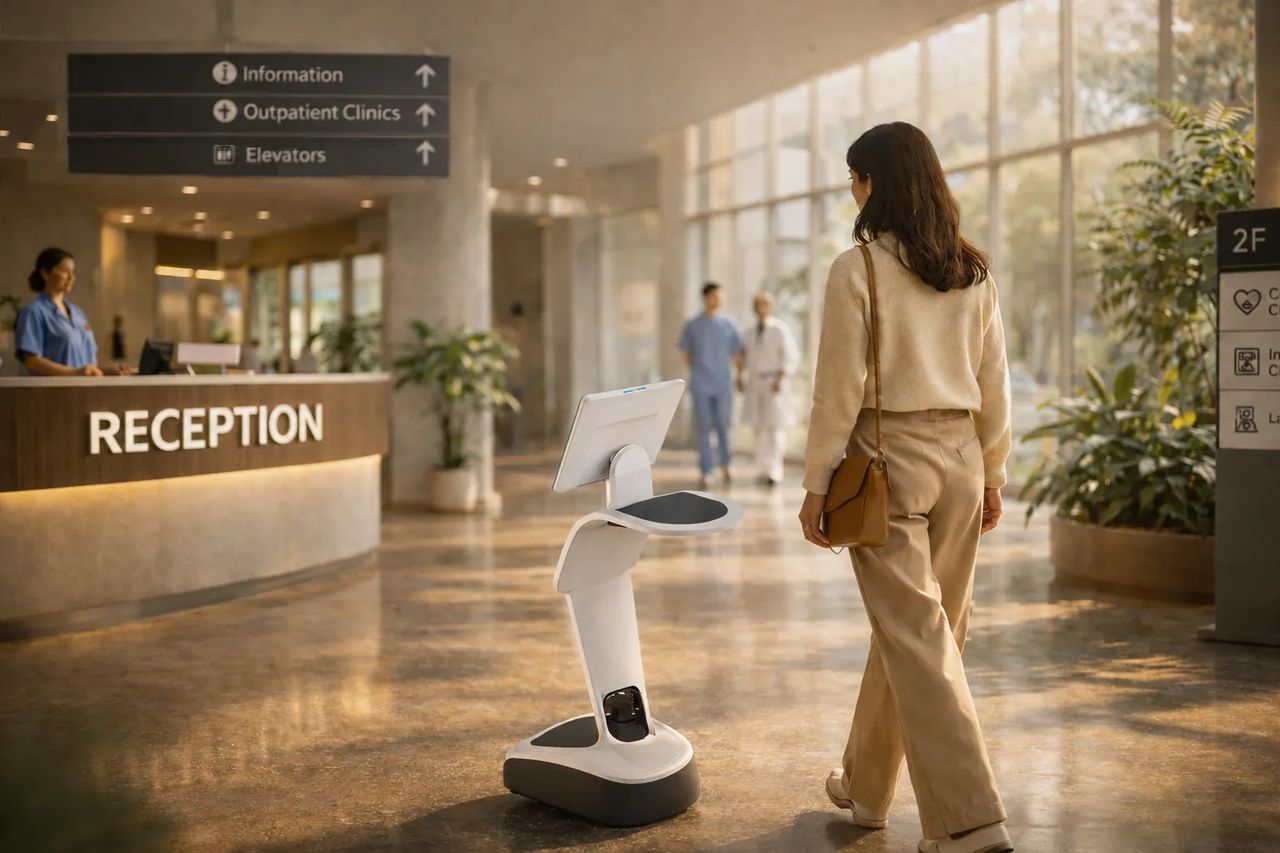
Feature highlights
Key capabilities
- Autonomous indoor navigation and obstacle avoidance
- Patient guidance from reception to destination
- Interactive wayfinding interface with map and directions
- Improves patient flow and on-time arrival rates
- Reduces staff workload at reception and information counters
How it fits the workflow
Seamless Wayfinding
As a Patient Navigator, Temi helps patients and visitors find their destinations quickly and easily within large healthcare facilities. Instead of navigating complex hospital layouts alone, patients are guided directly to clinics, diagnostic rooms, or service counters. This reduces missed appointments, improves punctuality, and allows hospital staff to focus more on patient care instead of giving directions.
Suggested use cases
Where Patient Navigator can be deployed
- Hospitals and medical centers
- Outpatient clinics and specialist centers
- Rehabilitation centers
- Senior living and healthcare facilities
- Large medical complexes and university hospitals
- Diagnostic and imaging centers
- Community health centers
Why it matters
Seamless Wayfinding.
Hospitals and medical centers can be overwhelming to navigate, especially for first-time visitors, elderly patients, or those under stress. Temi acts as a Patient Navigator, guiding patients step-by-step from reception to their destinations, including clinics, diagnostic departments, treatment rooms, or service counters. By physically leading patients instead of simply providing directions, Temi reduces confusion, prevents late arrivals, and improves the overall patient experience. At the same time, hospital staff spend less time giving directions and more time focusing on patient care. The result is improved operational efficiency, smoother patient flow, and a more welcoming, human-centered healthcare environment from the moment patients arrive.