Hygienic Meal Delivery
Clean Contactless Pass
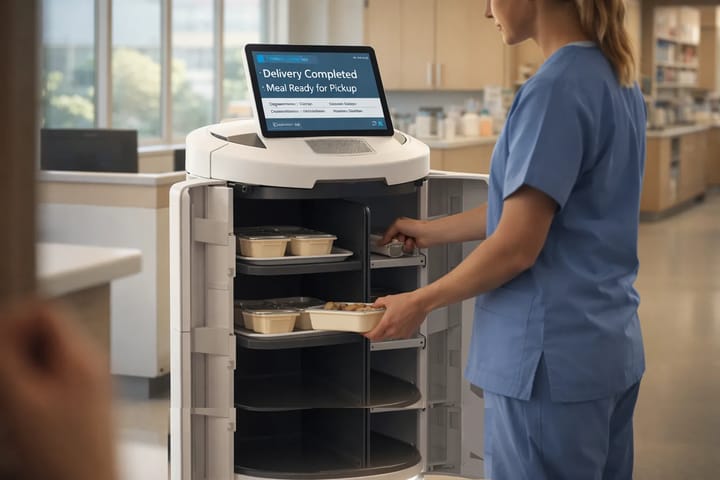
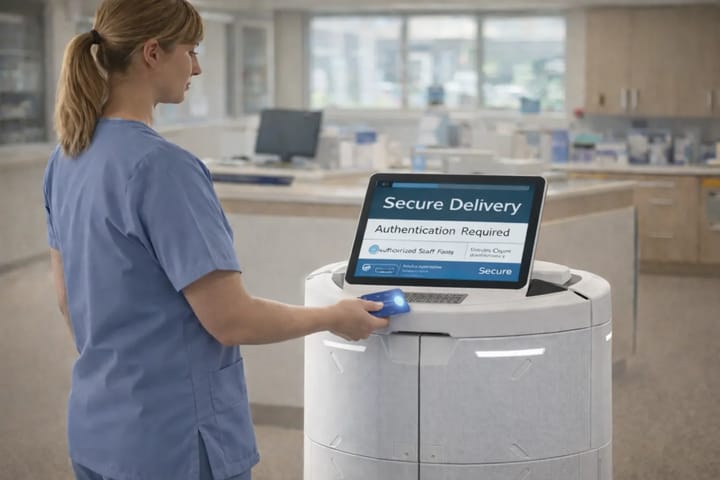
Temi GoPro enables hygienic, contactless meal delivery that seamlessly integrates into hospital workflows, improving efficiency while prioritizing patient safety.
Request a Demo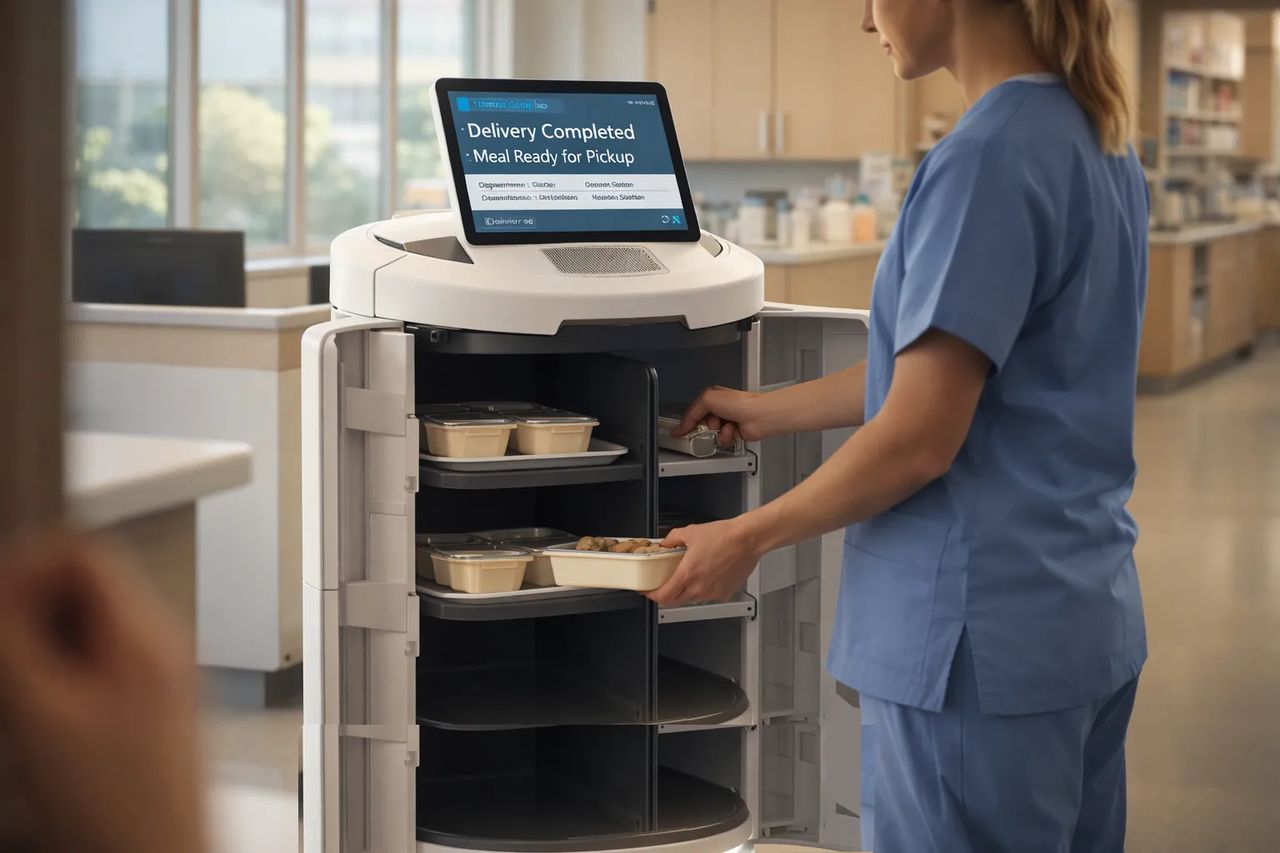
Feature highlights
Key capabilities
- Contactless meal delivery for improved infection control
- Multi-compartment storage for organized and hygienic transport
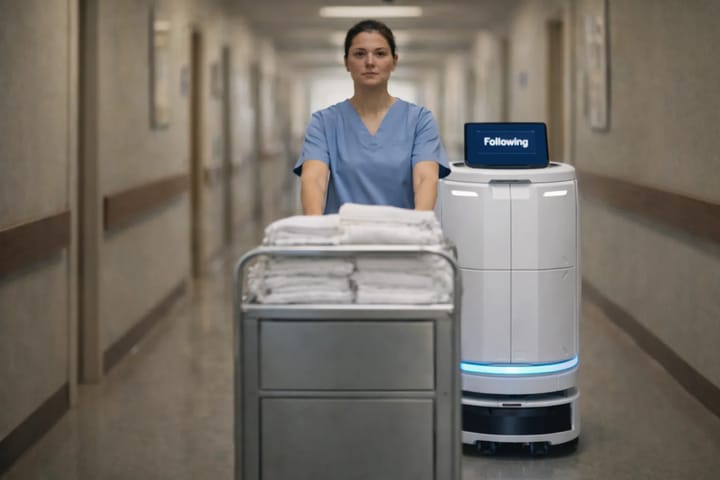
- Autonomous navigation within hospital environments
- Real-time delivery status displayed on-screen
- Seamless integration into nursing workflows
How it fits the workflow
Clean Contactless Pass
In modern healthcare environments, efficiency and hygiene are critical. Temi GoPro streamlines meal delivery by transporting food safely and autonomously to nurse stations. With organized compartments and contactless retrieval, it minimizes human contact while supporting staff workflows. The system ensures meals are delivered accurately, safely, and on time, allowing healthcare professionals to focus more on patient care.
Suggested use cases
Where Hygienic Meal Delivery can be deployed
- Hospital meal delivery between kitchen and nurse stations
- Patient food distribution in isolation wards
- Late-night automated meal or supply delivery
- Senior living facility dining logistics
- Rehabilitation centers requiring hygienic service workflows
Why it matters
Clean Contactless Pass.
Temi GoPro redefines hospital logistics by introducing a reliable, contactless solution for meal delivery within healthcare facilities. Designed to integrate seamlessly into daily operations, the robot autonomously transports meals from the kitchen to nurse stations, reducing manual workload and minimizing unnecessary human contact. Its multi-compartment system ensures organized and hygienic storage, allowing staff to quickly and safely retrieve meals. With clear on-screen status updates and intuitive system communication, Temi enhances transparency and operational efficiency. In high-demand environments where time and safety are critical, Temi GoPro supports healthcare professionals by optimizing routine tasks, reducing cross-contamination risks, and ensuring consistent delivery performance. The result is a smarter, safer, and more efficient care environment for both staff and patients.